
- Q Plated Vehicles
- Modified and Classic Cars
- Grey Import Vehicles
- Laid Up (SORN) Vehicles
Guide to Car Classifications and Codes

Welcome
Motor insurance is a legal requirement for any vehicle driven on UK roads, but the type of cover available, and how insurers assess risk, can vary considerably depending on how a vehicle is classified. Understanding how your car is categorised can help when speaking with a broker, and may influence both the type of insurance available to you and the cost of your policy.
This guide covers some of the most common car classifications and codes you may encounter in the UK, including Q-plated vehicles, classic and modified cars, grey imports, SORN vehicles and category N write-offs, as well as a reference section on driving licence categories.
Q Plate Vehicles
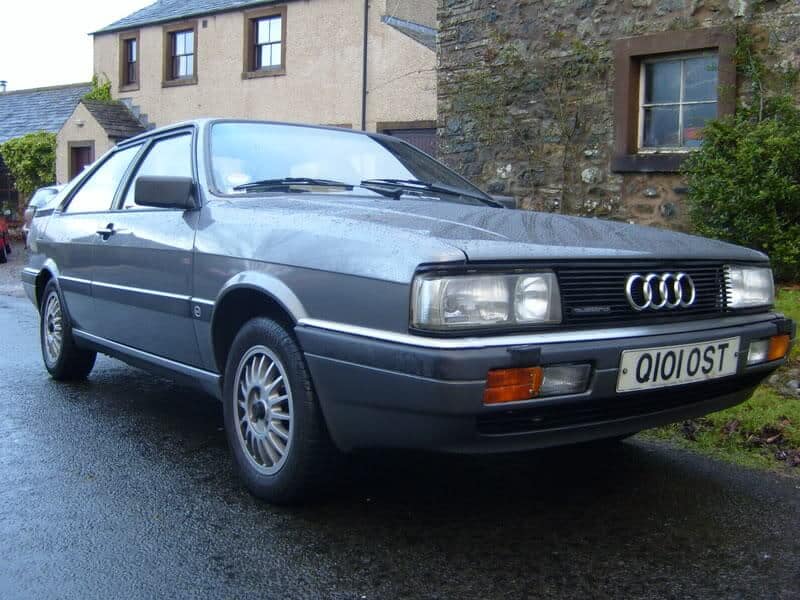
A Q registration plate is assigned to a vehicle whose age, identity or service history cannot be established with certainty. While the letter Q is sometimes informally associated with words like ‘query’ or ‘questionable’, the practical reason it is used is that Q cannot appear in standard UK number plates due to its visual similarity to the number zero.
Q plates can apply to a range of vehicle types, including:
Imported vehicles
While many imported vehicles can be registered with a standard plate, a Q plate may be required where the vehicle’s age or documentation cannot be fully verified, for example, where service history is incomplete or gaps exist following the import process.
Self-build and kit vehicles
Vehicles assembled from parts sourced across multiple makes and models, such as self-build kit cars, will typically receive a Q plate, as they cannot be attributed to a single manufacturer’s specification. Official replicas may also fall into this category where manufacturer-certified parts have not been used throughout.
Ex-military vehicles
Former Ministry of Defence vehicles may require a Q plate where historical documentation is classified or unavailable, or where the vehicle has been modified to the extent that its original age can no longer be reliably identified.
Significantly altered vehicles
Not all modified vehicles require a Q plate, but where a car has been altered to such a degree that its original components are no longer identifiable, a Q plate may be required.
Q-plated vehicles can present more complexity when it comes to arranging insurance, and premiums may reflect the additional uncertainty around the vehicle’s history and specification. Speaking with a broker who has experience in this area is worth considering, as they will be able to outline the options available and discuss features such as limited mileage cover that may help manage the cost.
Classic Cars
Classic or historic cars are generally considered to be vehicles that have reached an age where they hold collector or heritage value, making them worth preserving rather than scrapping. While definitions can vary between insurers and organisations, vehicles over a certain age are often treated differently from standard modern cars when it comes to insurance assessment.
There is no single universal definition of what makes a car ‘classic’. Some insurers may consider a vehicle classic once it reaches fifteen to twenty years of age, while others apply different criteria based on usage, rarity or historical significance. It is worth checking how your specific vehicle is classified with a broker, as this can influence the type of cover available.
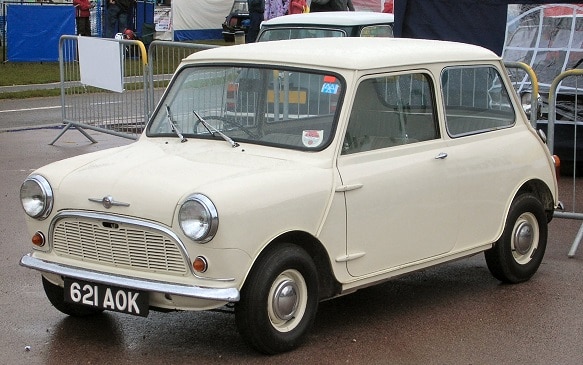
Classic car insurance can attract higher premiums for a number of reasons. Older vehicles may lack contemporary safety features, some are higher-performance models, and the desirability and value of certain classic cars can increase the risk of theft. However, many classic car owners use their vehicle as a secondary mode of transport, driving it less frequently than a standard car, which may be reflected in the cost of cover through options such as limited mileage insurance.
If your vehicle spends extended periods off the road, for example, during winter months or while awaiting restoration, laid up cover may be worth exploring. This is discussed in more detail in the SORN section below.
Modified Vehicles
A modified vehicle is one that has been altered from its original factory specification, whether through changes to its appearance, performance, or internal components. Because modifications can affect how a vehicle performs, how it is valued, and how it might be repaired following damage, insurers typically assess modified vehicles differently from standard models.
Modifications that may influence how insurers assess a vehicle include aesthetic changes such as:
- Wheel arch extensions
- Tinted windows
- Spoilers and body kits
- Side skirts and valances
- Specialised paintwork, stripes or badging
- Stickers and decals
Changes that affect the mechanical performance or structure of the vehicle may also be relevant, including:
- Engine and drivetrain modifications, including changes to the transmission, gearbox, exhaust or air filtration
- Bodywork modifications, including body kits and panel changes
- Interior modifications, including dashboard changes, seat replacements or the installation of roll cages
- Brakes and suspension modifications
- Changes to the sunroof or climate control systems
Modified vehicles can cost more to insure because changes made outside of the manufacturer’s original specification may increase the cost of repairs, affect the vehicle’s performance characteristics, or make it more attractive to thieves. It is important to declare all modifications to your broker when arranging cover, as undisclosed modifications could affect the validity of a claim.
Brokers experienced in modified vehicle insurance will be able to outline the cover options available based on the nature and extent of the modifications to your vehicle.
Grey Import Cars
A grey import is a vehicle that has been brought into the UK through unofficial or independent import channels, rather than through a manufacturer’s authorised distribution network. This commonly applies to vehicles from countries such as Japan or the United States, where specifications, safety standards and equipment can differ from those approved for the UK market.
Imported vehicles of this kind must meet UK type approval standards before they can be legally driven on UK roads. This may require modifications to certain components, such as lights, instruments or safety systems, to bring the vehicle into compliance. Vehicles without valid UK type approval may need to undergo an Individual Vehicle Approval (IVA) test, administered by the DVSA, to confirm they meet the required standards.
Grey import vehicles can attract higher insurance premiums than equivalent UK-market models for a number of reasons:
- Sourcing replacement parts following damage can be more complex and costly, as parts may need to be imported or sourced from specialist suppliers
- Finding a mechanic with direct experience of the specific model may also be more difficult than for standard UK-market vehicles
- Some imported vehicles have higher performance specifications than their UK-market equivalents, which can be a factor in how insurers assess risk
- The IVA testing process and any modifications required to meet UK standards may affect how the vehicle is classified and insured
Despite these considerations, specialist brokers with experience in grey import insurance may be able to discuss cover options that reflect your specific vehicle and how you use it. Steps such as secure storage and limited mileage cover may also be worth exploring when looking to manage the cost of cover.
Statutory Off Road Notification (SORN)
If a vehicle is taken off the road and will not be driven on public roads, the registered keeper is required to declare a Statutory Off Road Notification (SORN) with the DVLA. A vehicle with a valid SORN does not require road tax or a valid MOT for the period it remains off the road, and standard motor insurance is not usually required while the vehicle remains off the road and a valid SORN is in place.
A SORN may be appropriate in a number of situations, including:
- Vehicles that are not currently roadworthy but are intended to be repaired or restored
- Project vehicles, kit cars or classic cars undergoing modification or rebuilding work
- Vehicles that will not be used while a household member is away for an extended period, for example, while studying at university
- Vehicles awaiting disposal or scrapping
It is worth noting that a SORN does not protect the vehicle against risks such as theft, fire, vandalism or accidental damage while it is stored. Some owners choose to arrange laid up insurance, sometimes referred to as SORN insurance, to provide cover for these risks during the period the vehicle is off the road. This can offer useful protection, particularly for vehicles with significant value or sentimental importance.
The DVLA provides guidance on applying for a SORN and the rules that apply. It is advisable to check current requirements directly, as rules and associated penalties can be subject to change.
Category N Vehicles (Previously Category D)
Category N is an insurance write-off classification used in the UK to describe a vehicle that has sustained damage but may be technically repairable and returned to roadworthy condition. The category was introduced in October 2017, replacing the previous Category D classification, though the underlying meaning remained broadly the same.
When an insurer determines that a vehicle is a write-off and settles a claim accordingly, ownership of the damaged vehicle typically passes to the insurer. The insurer may then choose to sell the vehicle, often to a salvage specialist or motor repair centre, where it can potentially be repaired and returned to use. A vehicle that has been through this process will carry the Category N marker on its history, which is visible through vehicle history check services.
Not all insurers will offer cover for Category N vehicles, given the additional complexity and uncertainty around their repair history. However, specialist brokers may be able to discuss options for insuring this type of vehicle, depending on its condition and the nature of the original damage. If you are considering purchasing a Category N vehicle, it is worth understanding the insurance implications before doing so, as the level of cover available may differ from a standard vehicle.
Driving License Categories
Disclaimer: The categories below are provided as a general guide. Driving licence entitlements can change, so it is important to check your licence or GOV.UK for the most up to date information.
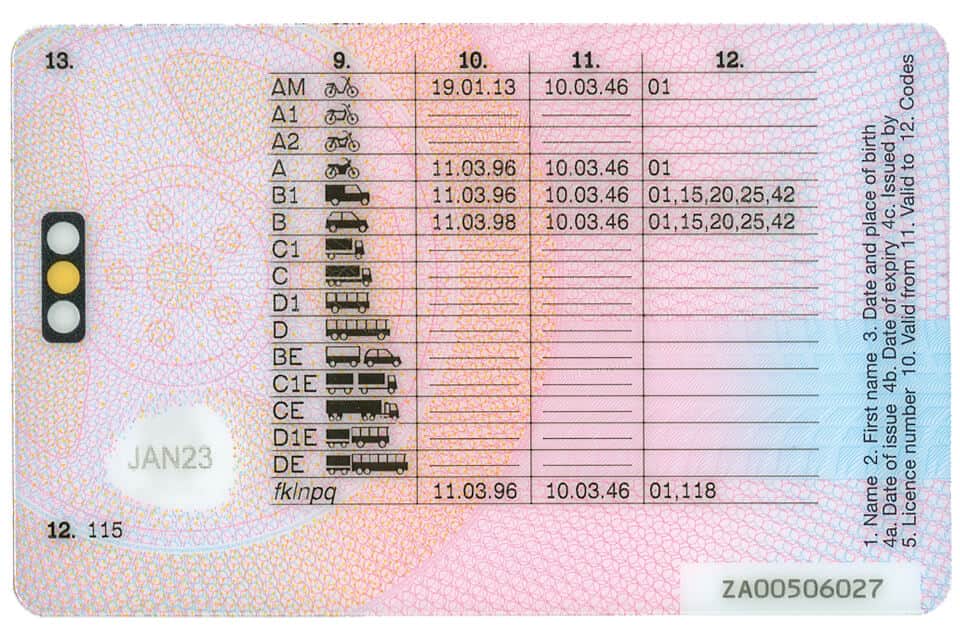
To drive a particular type of vehicle legally in the UK, your driving licence must include the relevant category entitlement. These categories are listed on the back of your photocard licence and indicate which vehicles you are permitted to drive and under what conditions. The categories currently in use are outlined below for reference.
Cars
Category B: Passed before 1 January 1997: permits driving a vehicle and trailer combination up to 8,250kg maximum authorised mass (MAM). Passed on or after 1 January 1997: permits vehicles up to 3,500kg MAM with a trailer up to 750kg.
Category B Auto: As Category B, but restricted to automatic transmission vehicles only.
Category BE: A Category B vehicle with a trailer exceeding 750kg MAM.
Mopeds
Category AM: Two or three-wheeled vehicles with a maximum speed of over 15.5mph but not exceeding 28mph.
Category P: Two-wheeled vehicles with a maximum speed of over 28mph but not exceeding 31mph.
Category Q: Two-wheeled vehicles with an engine no larger than 50cc and a maximum speed not exceeding 15.5mph.
Motorcycles
Category A1: Engine size up to 125cc with a power output up to 11kW.
Category A2: Power output up to 35kW.
Category A: Power output exceeding 35kW, and motor tricycles with a power output exceeding 15kW.
Minibuses
Category D1: Vehicles with no more than 16 passenger seats, a maximum length of 8 metres, and a trailer up to 750kg MAM.
Category D1E: Category D1 vehicles with a trailer exceeding 750kg MAM; combined MAM of vehicle and trailer must not exceed 12,000kg.
Buses
Category D: Any bus with more than 8 passenger seats and a trailer up to 750kg MAM.
Category DE: Category D vehicles with a trailer exceeding 750kg MAM.
Medium-Sized Vehicles
Category C1: Vehicles between 3,500kg and 7,500kg MAM with a trailer up to 750kg.
Category C1E: Category C1 vehicles with a trailer exceeding 750kg MAM.
Large Vehicles
Category C: Vehicles over 3,500kg MAM with a trailer up to 750kg.
Category CE: Category C vehicles with a trailer exceeding 750kg MAM.
