
- Agreed Value Cover
- Lost Key Cover
- Vehicle Theft Cover
- Windscreen & Glass Cover
Guide to Vehicle Related Policy Features

Welcome
There are many features that can be included as part of a motor vehicle insurance policy, and working out which ones are relevant to your circumstances can feel like a lot to take in. Cover varies between brokers and insurers, so it is worth understanding what each feature does before speaking with a broker about your options.
Please note that the features described in this guide are not typically available on Third Party Only (TPO) policies, which cover damage or injury caused to others but do not extend to your own vehicle.
Many of these features may be available across a range of insurance types, including motor trade, motor fleet, courier, taxi, imported car, classic car, motorhome and caravan insurance, depending on the insurer and policy terms.
Agreed Value Cover
Agreed value cover is a policy feature that may pay out a pre-agreed sum in the event your vehicle is written off or stolen, rather than its market value at the time of the claim. This can be particularly relevant where the market value of a vehicle may not fully reflect what you have invested in it, e.g. with classic, imported or modified cars.
The value of a vehicle can be influenced by a number of factors, including age, mileage, engine size and depreciation. Resources such as Parkers or Auto Trader can help give you an indication of your vehicle’s current market value, which may be useful when discussing agreed value cover with a broker. If you are looking to agree to a higher insured value, this is likely to affect your premium.
Without a fully comprehensive policy, the level of protection for your own vehicle following an accident can be limited. Third Party, Fire and Theft (TPFT) insurance may cover fire damage to your vehicle and theft, but would not typically cover other damage, such as accidental collision damage. For example, if your car were to collide with a wall, the wall may be covered under third-party liability, but damage to your own vehicle would not be. A fully comprehensive policy may extend cover to include damage to your own vehicle, subject to the terms and conditions of the policy.
Lost Key Cover
Losing a car key can be a stressful and potentially costly experience. Advances in vehicle technology mean that many modern keys incorporate smart key or remote fob systems, which can be significantly more expensive to replace than a traditional key. Organising a replacement may involve the dealership or a specialist, and the cost can vary considerably depending on the make and model of the vehicle.
Lost key cover, where available as part of a policy, may help towards the cost of replacing lost or stolen keys and, in some cases, replacing or recoding the locks. It is worth discussing this with a broker before finalising a policy, as the level of cover and any applicable excess can vary between providers.
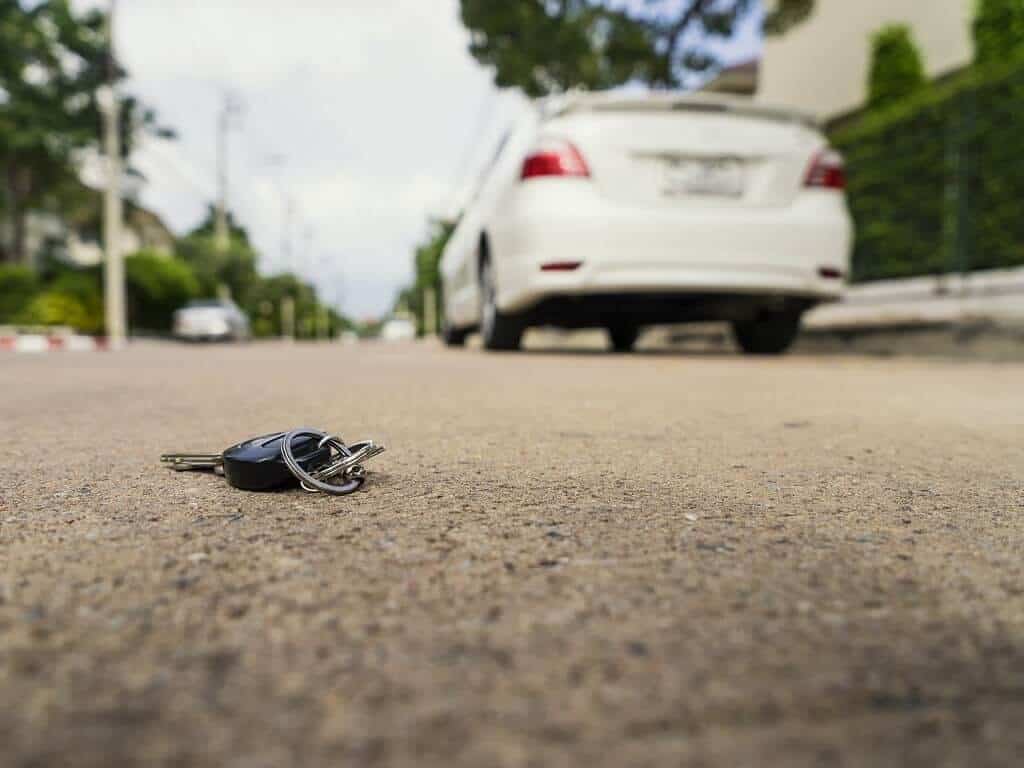
The circumstances under which a claim may be accepted can differ depending on the insurer. Some common scenarios and considerations include:
Lost keys
Cover for lost keys is not universal. Some insurers include it as standard, others offer it as an optional add-on, and some may not offer it at all. If this is something you would like to include, it is worth raising with your broker when discussing policy options.
Stolen keys
Many insurers offer some level of cover for stolen keys, though this may be included as standard or available as an optional extra depending on the provider. The level of payout offered may vary, so it is worth checking whether this would be sufficient to cover the cost of replacement, particularly for vehicles with more complex key technology.
Unattended vehicles
If a vehicle is left unattended with the keys in the ignition, many insurers are unlikely to accept a claim for theft of the vehicle or the keys. This typically applies regardless of how briefly the vehicle was left. It is advisable to check the specific terms of your policy with your broker.
Vehicle Theft Cover
Having a vehicle stolen is a disruptive experience, often with practical and financial implications beyond simply losing the car itself. The level of cover available in the event of theft will depend on the type of policy you hold.
To have your vehicle covered against theft, you would typically need at least a Third Party, Fire and Theft (TPFT) policy. Depending on the insurer and policy terms, this may include:
- A settlement towards replacing your stolen vehicle
- Cover for damage caused by an attempted theft, such as broken locks or windows
- Cover for fire damage to the vehicle
The process of making a claim following a theft can vary depending on the insurer and the circumstances involved. Where a vehicle is recovered with limited damage, claims may be more straightforward to resolve. Where a vehicle is not recovered, or has sustained significant damage, the insurer would typically assess the claim based on the market value of the vehicle at the time, which may be less than the original purchase price due to depreciation.
For vehicles where market value may not accurately reflect their worth, such as classic, modified or imported cars, agreed value cover may be worth considering. This is discussed in more detail in the Agreed Value Cover section above.
To help support a theft claim, it is important to provide accurate information to your broker when arranging your policy, and to report the theft to the police promptly. Keeping records of your vehicle’s value and any relevant documentation may also be helpful.
Windscreen & Glass Cover
A clear, undamaged windscreen is important for safe driving and is a legal requirement under the Road Traffic Act and Highway Code. Chips and cracks can develop over time, particularly on motorways or in adverse conditions, and a small chip can spread if left unaddressed, potentially requiring a full replacement rather than a repair.
Windscreen and glass cover is a policy feature that may help towards the cost of repairing or replacing a damaged windscreen or vehicle window, depending on the insurer and the nature of the damage. It may be available as an optional addition to a TPO or TPFT policy, or may be included as part of a fully comprehensive policy, depending on the provider.
Whether a chip requires a repair or a full replacement is generally determined by its size and position on the glass. As a general guide:
- Chips on the edge of the windscreen may be repairable if they are under 40mm in size, though this can depend on the depth and nature of the damage
- Chips in the driver’s direct line of vision are treated more strictly – damage in this area may need to be no larger than 10mm to be considered repairable
- Cracks of any kind in the driver’s line of vision are more likely to require a full replacement
The excess payable on a windscreen or glass claim, and the overall level of cover available, can vary between insurers and policies. Outright replacements are generally more costly than repairs, both in terms of the work involved and any excess that may apply. If you drive regularly, or in conditions where chips are more likely, such as motorway driving or rural roads, windscreen cover may be a feature worth discussing with your broker.
