
Insuring a fleet of vehicles under one policy is the best way to save money and time. There are also many features you can include as part of your coverage that can mitigate the risks of a range of different businesses and use cases you use your fleet for.
Whether it’s a plumbing company with five vans to a delivery firm with 25, it is vital that every vehicle is protected so your business can keep running smoothly.
What is motor fleet insurance?
Motor fleet insurance is a type of cover for companies that utilise numerous vehicles in the day-to-day running of their business. It can cover a range of elements, from accidental damage to breakdowns, and all your vehicles will sit under the same policy with the same renewal date.
Just like car insurance, you must have third party only cover for your fleet as a legal minimum. However, it is often a better idea to get a comprehensive policy that will cover the cost of damage and injuries that happen as a result of an accident, regardless of who is at fault.
You also have the option of letting your drivers use any one of your vehicles or setting up a named driver policy, whereby drivers are assigned to specific vehicles and are only insured for that one. Making a decision on which is better is down to your own business needs and situation.
For example, any driver policies tend to be more expensive simply because the broker will not know the driving record or ability of that driver. Having said that, it does offer greater flexibility for large scale fleets.
Named driver policies can be cheaper because the driver you have specified will be able to have their record checked and the risk is assigned to that person rather than spread across the whole fleet.
How many cars do you need for fleet insurance?
This depends somewhat on the insurer, but in general a fleet is considered to be upwards of two vehicles (some brokers say a minimum of five). Of course, a fleet could run into the thousand, in which case a commercial fleet insurance policy might offer more wide-ranging cover.
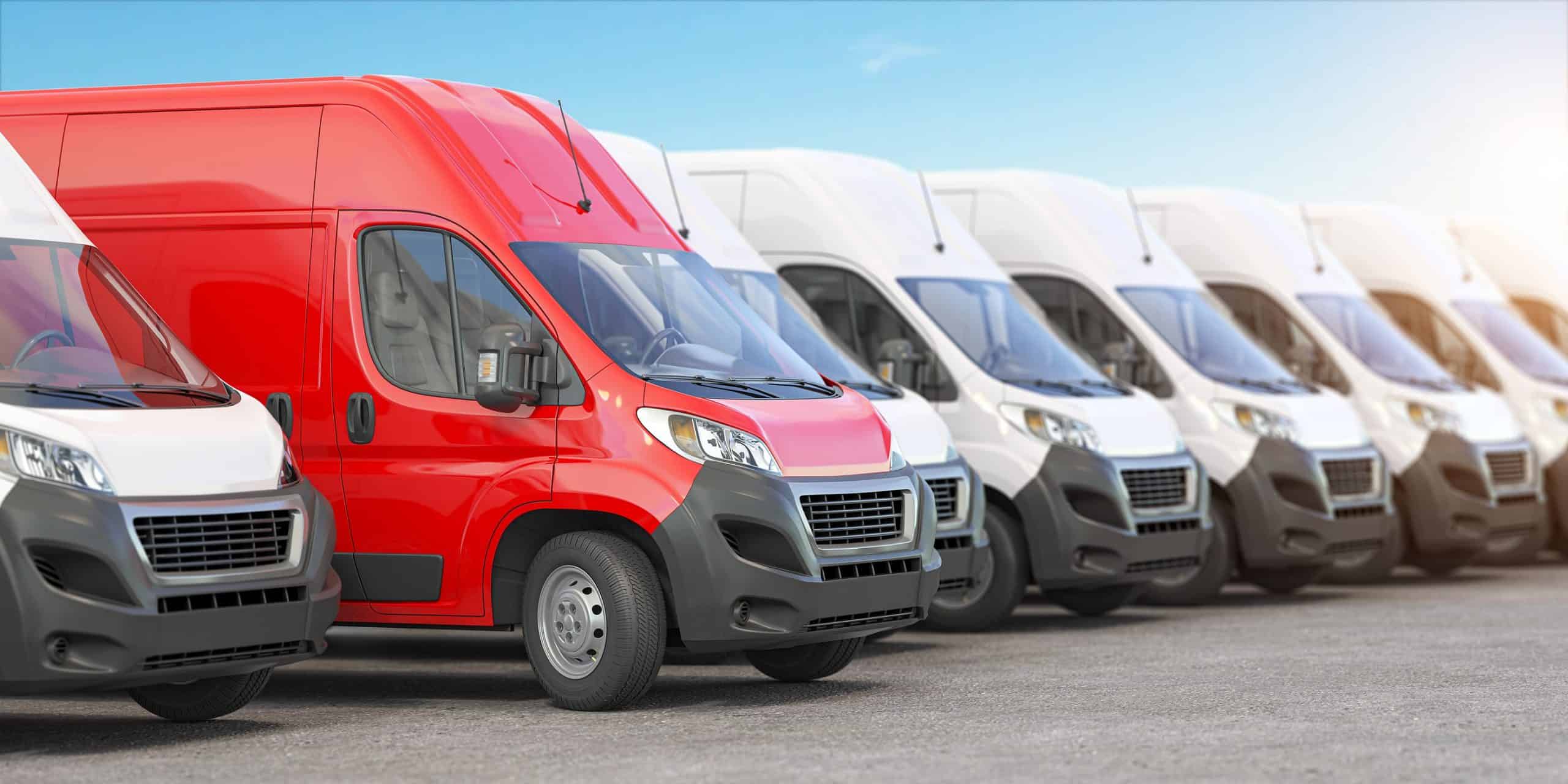
Fleets can consist of one type of vehicles, like cars or vans, but there are insurers that will cover a mix of vehicles if your fleet includes motorcycles. You can even insure plant vehicles and forklifts under a fleet policy, so it is worth looking into even if you have non-standard vehicles.
Can anyone get fleet insurance?
Most businesses that operate with a range of vehicles can take out fleet insurance. It is a popular product for business owners of all types; builders, electricians, plumbers, delivery companies, removals companies, and taxi or transportation services can all benefit from having a single policy covering all vehicles.
It is worth bearing in mind that your business case will influence the price of your policy, and your broker will calculate your premium using a number of factors to work out the level of risk your fleet may pose whilst on the road. It is wise to set up a fleet management policy as soon as you can so that you can start mitigating those risks immediately.
Is it cheaper to have fleet insurance?
In general, yes, fleet insurance will be a cheaper alternative to insuring each vehicle on a separate policy. If you have a larger fleet, you can save considerably on your premium due to larger policies being more beneficial to the insurer than individual ones.
There are numerous ways you can help to reduce the cost of your fleet insurance. These include:
- Telematics
If you employ telematics or black box devices in your vehicles, you can reduce your premium by allowing this tech to record and assess your driving ability, meaning that if you are a safe driver, your insurer will know and adjust the premium accordingly. Bear in mind, however, that it works the other way too, so if your drivers are not up to scratch your premium may increase. - Over 25s
It might seem unfair and somewhat inconsequential but the age of your drivers has a huge influence on the price you will pay for your insurance. If you can keep your fleet drivers to over 25s only, you will likely pay less. Some employers may choose to set an age restriction for drivers, or insure younger drivers as named drivers as an alternative. - Security
The way you store and secure your vehicles will also have an effect on costs. If possible, keep your vehicles in a locked area overnight. You should make sure keys are kept in a secure area separate from the vehicles, and employ CCTV cameras if you can. This will help reduce the chance of theft, as well as telling your insurer you are less of a risk.
Aside from the cost element, the hassle of numerous policies and renewal dates is removed by having one policy, one set of documents, and one renewal date. It is flexible and more inclusive as well as being a money-saver.
Need a competitive quote for your fleet insurance? We work with specialist brokers who will create a bespoke policy that works for your business. Fill out our form today!
